
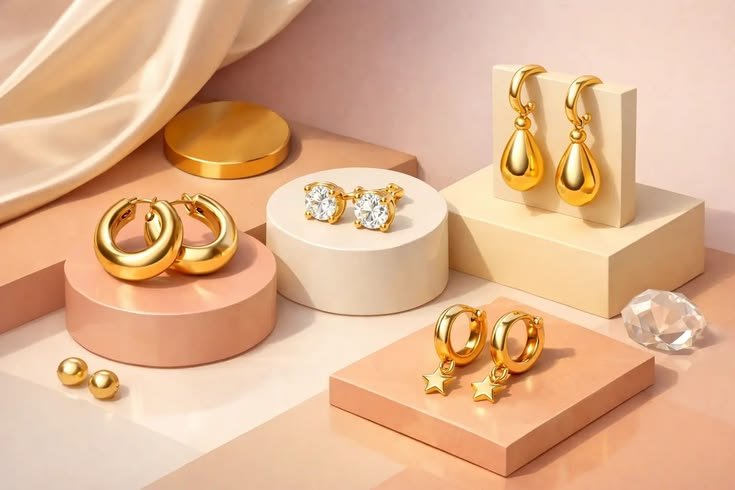
Jewelry Trends shift every year, but 2026 marks a genuine turning point for how people choose, wear, and invest in fine pieces. Buyers are moving away from fast fashion accessories and gravitating toward timeless craftsmanship, ethical sourcing, and designs that feel personal rather than mass produced. Whether you are a collector, a first-time buyer, or simply someone who loves discovering what is next, this guide walks through the styles shaping the industry right now.
Bold Statement Jewellery Pieces Are Making a Comeback
Chunky chains, oversized rings, and sculptural earrings are dominating runways and street style alike. According to Vogue, designers are leaning into pieces that command attention rather than blend into an outfit, a shift away from the minimalist era that dominated the last decade.
This trend works especially well when a single bold piece is paired with an otherwise simple outfit, letting the jewelry do the talking.
Fine Jewelry Is Moving Into Everyday Wardrobes
Fine jewelry was once reserved for special occasions, but that boundary is fading fast. Layered necklaces, stackable rings, and delicate gold pieces are now worn daily rather than saved for events. This shift has pushed brands to design collections meant to be worn continuously without losing their shine or structure.
Durability Now Matters as Much as Design
Buyers increasingly ask about hardness ratings and metal purity before purchasing, a shift documented by the Gemological Institute of America, which has seen rising interest in consumer education around gemstone durability and everyday wearability.
Ethical Sourcing and Lab-Grown Stones Take Center Stage
Transparency around sourcing has become a deciding factor for many shoppers. Lab-grown diamonds and recycled precious metals are no longer niche alternatives; they are mainstream choices among younger buyers who want their jewellery to reflect their values without compromising on quality or brilliance.
Personalized Pieces With a Story Win Over Generic Designs
Engraved initials, birthstone combinations, and custom settings are replacing generic catalogue pieces. Shoppers want jewelry that reflects a memory, a relationship, or a milestone, and brands that offer this level of customization are seeing stronger loyalty and repeat purchases, a pattern also highlighted by Harper’s Bazaar in its recent coverage of the personalized jewelry boom.
Mixed Metal Combinations Replace Matching Sets
Gone are the days of matching every piece to the same metal tone. Gold, silver, and rose gold are now worn together intentionally, giving outfits a layered, collected-over-time look rather than a uniform, showroom appearance.
Vintage-Inspired Craftsmanship Continues to Rise
Art Deco motifs, filigree work, and antique-style settings are being reimagined by contemporary designers who blend old-world craftsmanship with modern wearability, appealing to buyers who want a piece with character rather than a mass-produced finish.
Sustainable Packaging Becomes Part of the Buying Decision
Even unboxing has entered the sustainability conversation, with brands switching to recyclable materials and reusable jewelry boxes as customers factor packaging waste into their purchasing choices.
Frequently Asked Questions
What is the biggest jewelry trend right now?
Bold statement pieces paired with everyday fine jewelry layering are currently the strongest trend, replacing the minimalist styles that dominated previous years.
Are lab-grown diamonds a good investment?
Lab-grown diamonds offer the same brilliance and hardness as mined diamonds at a lower price point, making them a popular and practical choice for everyday fine jewelry.
Can gold and silver be worn together?
Yes, mixed metal styling is one of the defining trends of the year, and pairing gold with silver or rose gold is now considered an intentional design choice rather than a mismatch.
- Why is personalized jewelry so popular?
Personalized jewelry lets buyers express identity and memory through their pieces, which builds emotional value and encourages repeat purchases compared to generic designs.