
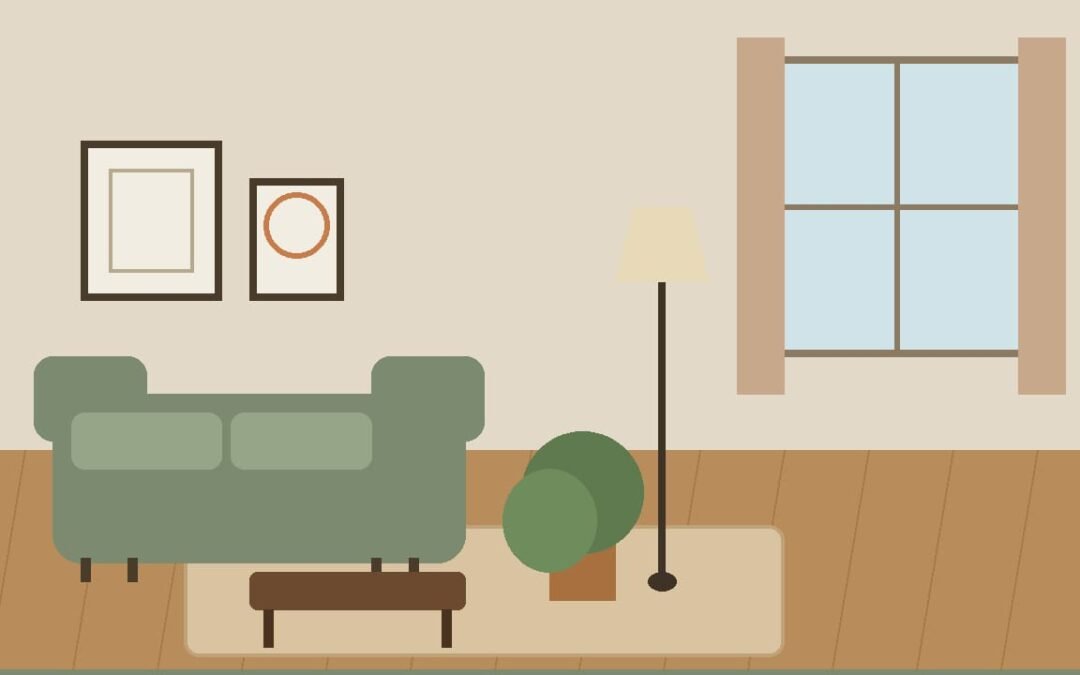
Interior design ideas are most useful when they solve a real problem in your home, not when they simply chase a trend. A living room that photographs well but frustrates daily use isn’t a win. The goal is a space that looks put together and still works for the people who actually live in it—cooking, resting, hosting, or working from a corner desk. This guide walks through practical, budget-aware home decor tips for shaping rooms around comfort, light, and function, whether you’re furnishing a first apartment or refreshing a family home.
Interior Design Ideas for Small Living Spaces
Small rooms benefit from furniture that does more than one job. A storage ottoman replaces a coffee table and a linen closet at once. Wall-mounted shelving keeps floor space open, which makes even a modest room read as larger. Mirrors placed opposite a window bounce natural light across the room, and a rug that stops short of every wall edge can visually stretch a floor plan without adding a single extra square foot.
Scale matters more than quantity. One well-proportioned sofa and a single accent chair usually outperform a room crowded with smaller pieces, because the eye has fewer transitions to track and the walking paths stay clear.
Home Design Ideas That Elevate Any Room
Not every home decor tip requires a renovation budget. Swapping hardware on cabinets, changing a light fixture, or repainting a single accent wall can shift the mood of a room in a weekend. Layering textures—a wool throw, a woven basket, a linen cushion—adds depth without adding clutter, and it’s one of the fastest ways to make a plain room feel finished.
Choosing a Color Palette That Works
A workable palette usually rests on three tones: a dominant neutral for walls and large furniture, a secondary tone for textiles, and one accent used sparingly in art or accessories. Testing paint swatches on the actual wall, at different times of day, prevents the common mistake of a color looking right in the store and wrong at home.
Mixing Textures and Materials for Depth
Pairing matte and glossy finishes, or rough wood against smooth ceramics, keeps a room from feeling flat. Even a single textured element—a rattan chair, a stone vase, a boucle cushion—can carry an otherwise simple room.
Smart and Sustainable Home Decor Choices
Home technology has moved well beyond thermostats. Voice-controlled lighting, leak sensors, and app-based climate control are increasingly built into new furnishings rather than bolted on afterward, as HackerNoon has reported on AI-driven smart home systems, and this shift is also changing how developers design new builds from the ground up, a trend FintechZoom examined in its coverage of technology reshaping real estate.
On the sustainable side, reclaimed wood shelving, low-VOC paints, and secondhand statement furniture reduce both cost and environmental impact, without forcing a home to look austere.
Budget-Friendly Home Improvement Projects
Not every project needs a contractor. Refinishing existing furniture, adding peel-and-stick backsplash tile, or reworking closet organization can meaningfully improve daily life at a fraction of a full remodel’s cost. It’s also worth watching the broader housing market before committing to bigger spending, since Insider Monkey’s analysis of overpriced housing markets shows how much local property values can shift the return on a renovation. For quick, low-cost wins, MSN’s roundup of home decor hacks offers several ideas that need little more than an afternoon and a few tools.
Prioritizing projects by daily impact, rather than by what’s visible to guests, tends to produce the most satisfying results over time.
Working With a Professional When It Makes Sense
DIY changes cover most cosmetic updates, but structural work, custom built-ins, or a full-home layout plan usually benefit from professional input. If you run a design, home improvement, or lifestyle brand and want this kind of content published consistently, our Services page outlines how we support niche publishers with SEO-driven content, and our Blog carries more guides like this one across home, lifestyle, and other verticals. You can read more about our approach on the About Us page or reach out directly through Contact if you have a project in mind.
A home doesn’t need to be finished all at once. Working room by room, testing changes before committing to permanent ones, and choosing pieces that serve daily routines will do more for a space than following every seasonal trend. Start with the room used most, apply one or two ideas from this guide, and build outward from there.
FAQs
What is the easiest way to start updating home decor on a budget?
Begin with textiles and lighting. New cushions, a throw, and a warmer-toned bulb change the feel of a room without any structural work or large expense.
How do interior design ideas differ for small apartments versus larger homes?
Small apartments rely on multi-purpose furniture and light, open sightlines. Larger homes have more flexibility to define separate zones but still benefit from a consistent palette across rooms so the layout feels cohesive.
Do I need a professional designer for a single-room refresh?
Not usually. A single room with cosmetic changes—paint, textiles, furniture rearrangement—is manageable without professional help. Structural changes or custom cabinetry are where hiring a designer or contractor pays off.
How often should a home’s decor be updated?
There’s no fixed schedule. Many homeowners refresh accessories and textiles yearly while keeping larger furniture and paint colors in place for five to ten years, adjusting sooner only if the space stops functioning well.